
Fixed Wire Testing: What North East Businesses Need to Know
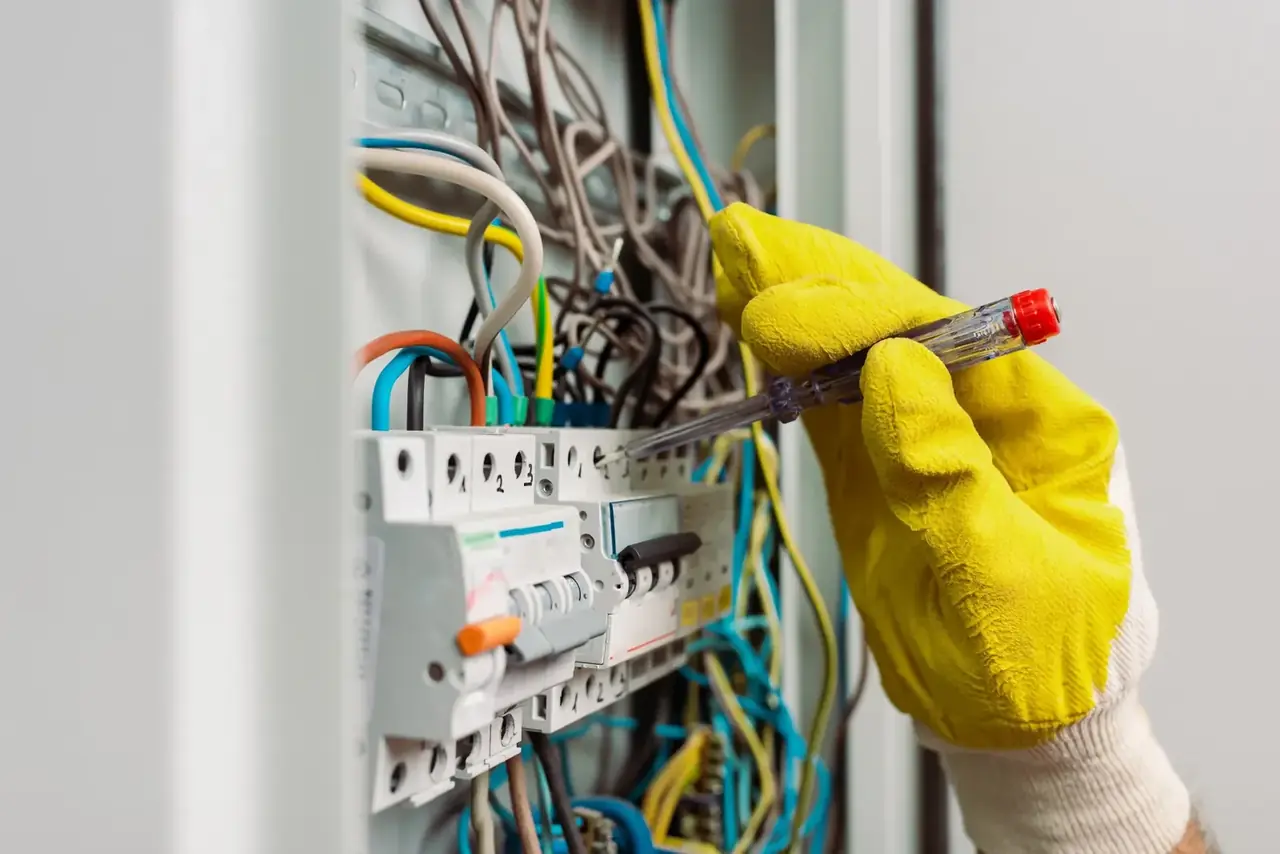
Fixed wire testing is one of those phrases that turns up in insurance renewals, tenancy agreements and fire risk assessments, often without much explanation. In plain terms, it is the inspection and testing of the permanent electrical installation in a building: the cables, distribution boards, sockets, lighting circuits and hard wired equipment. The result is recorded on an Electrical Installation Condition Report, usually shortened to EICR.
If you manage an office, a shop, a school or an industrial unit in the North East, this guide explains what the testing involves, why it matters legally and how to get it done without bringing the business to a halt.
Why Fixed Wire Testing Matters
The Electricity at Work Regulations 1989 require employers and those in control of premises to maintain electrical systems so they do not cause danger. Periodic inspection and testing is the accepted way of showing that duty has been met. Insurers commonly ask for a current report, fire risk assessors will look for one, and commercial landlords increasingly make it a lease condition.
Beyond compliance, testing finds problems before they become failures. Loose connections, damaged insulation, overloaded circuits and missing earthing are rarely visible from the outside, and they are among the most common causes of electrical fires in commercial buildings.
How Often Is Fixed Wire Testing Needed?
The recommended maximum intervals come from IET Guidance Note 3 and depend on how the building is used:
- Offices, shops and most commercial premises: every 5 years
- Industrial units and factories: every 3 years
- Schools and colleges: every 5 years
- Pubs, bars and restaurants: every 5 years
- Swimming pools and other higher risk locations: every year
These are maximums. The inspector can recommend a shorter interval if the installation is in poor condition or the environment is harsh, which is common on manufacturing and fabrication sites. Our guide to how often your business needs an EICR covers this in more detail.
What Happens During a Test
A test has two parts. First, a visual inspection checks the condition of boards, accessories, cable routes and protective devices. Second, the circuits are tested with calibrated instruments for continuity, insulation resistance, earth fault loop impedance, polarity and RCD operation.
Most commercial installations are tested on a sample basis agreed in advance, so not every single outlet needs to be disconnected. Circuits do need to be isolated while they are tested, which is why planning matters.
Keeping Disruption to a Minimum
Nobody wants the servers or the tills switched off in the middle of a trading day. We schedule testing around how each site actually works: early mornings and evenings for offices, out of hours for retail, school holidays for education and planned shutdowns for industrial clients. Critical circuits are identified before the visit so they can be tested at the safest moment.
On larger sites, testing can be phased across several visits or built into an electrical maintenance contract, so the whole installation is covered over the cycle without a single long shutdown.
After the Test: Reading the Report
The EICR gives an overall result of satisfactory or unsatisfactory, and lists any observations with a classification code. Anything coded C1, C2 or FI makes the report unsatisfactory and needs action. We explain what each one means in our post on EICR codes, and we always provide an itemised quote for any remedial work so you can plan and budget for it.
Booking Fixed Wire Testing in the North East
LC Electrical Services is a NAPIT registered contractor based at Boldon Business Park, carrying out fixed wire testing for commercial and industrial premises across South Tyneside, Newcastle, Sunderland and Gateshead. Find out more about our commercial EICR service or request a quote.